
IAS IPS and IFS Which Civil Service Choosing a career in the civil services is a dream for many students and graduates across India. Among the most sought-after services are the Indian Administrative Service (IAS), Indian Police Service (IPS), and Indian Foreign Service (IFS). These services offer opportunities to serve the nation, take on important responsibilities, work with government institutions, and contribute to society in different ways.
However, IAS, IPS and IFS are not the same. Each service has a distinct role, working environment, responsibilities, career path and professional focus. Understanding these differences can help UPSC aspirants identify which service best matches their interests, strengths, personality and long-term career goals.
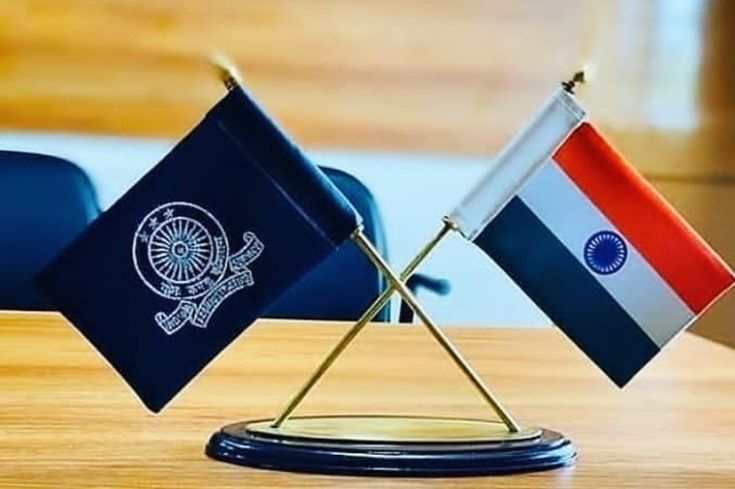
The Union Public Service Commission conducts the Civil Services Examination (CSE) for recruitment to the IAS, IPS, IFS and other Central Services and posts. According to UPSC, the Civil Services Examination consists of the Civil Services Preliminary Examination followed by the Civil Services Main Examination, which includes the written examination and interview.
If you are preparing for UPSC and wondering “IAS vs IPS vs IFS—which is better for me?”, this guide will help you understand the major differences and make a more informed career decision.
What Are IAS, IPS and IFS?
IAS, IPS and IFS are among India’s prestigious All India Services. Although all three careers involve public service, their responsibilities are very different.
The Indian Administrative Service (IAS) primarily focuses on administration, governance, public policy implementation and district-level and government-level management.
The Indian Police Service (IPS) is focused on policing, public safety, law enforcement, crime prevention, investigation and maintaining internal security.
The Indian Foreign Service (IFS) focuses on India’s diplomatic relations, international representation, foreign policy and consular responsibilities.
The Department of Personnel and Training is responsible for important matters relating to allocation of successful Civil Services Examination candidates to services including IAS, IPS, IFS and other Central Civil Services.
While the selection process may bring aspirants toward these services through competitive examinations, the professional lives of officers can be very different.
IAS: Indian Administrative Service
The Indian Administrative Service is often considered by aspirants who are interested in public administration, governance, policy implementation and leadership.
An IAS officer may work at the district, state or central government level during different stages of their career. Their responsibilities can involve coordinating government departments, implementing public welfare programmes, managing administrative functions and responding to important public issues.
What Does an IAS Officer Do?
The responsibilities of an IAS officer can vary depending on the position and level of government.
At the district level, an officer may be involved in areas such as:
District administration
Implementation of government schemes
Revenue administration
Disaster management
Coordination between government departments
Public grievance administration
Development programmes
Election-related responsibilities
At higher levels, IAS officers may work on policy formulation, programme implementation, departmental administration and coordination within state or central governments.
IAS IPS and IFS Which Civil Service
Who Should Choose IAS?
IAS may be a suitable career choice for students who enjoy:
Leadership and administration
Public policy
Governance
Problem-solving
Decision-making
Working with different government departments
Managing large-scale responsibilities
Interacting with communities and stakeholders
If you are interested in understanding how government systems work and want to contribute to public administration, IAS can be an attractive career path.
IPS: Indian Police Service
The Indian Police Service is a strong choice for aspirants who are interested in law enforcement, public safety, investigation, leadership and internal security.
IPS officers can hold important positions in police administration and security organizations. Their work can involve maintaining law and order, preventing crime, supervising investigations, managing police teams and dealing with security-related challenges.
What Does an IPS Officer Do?
Depending on the position and assignment, an IPS officer may be responsible for:
Maintaining law and order
Crime prevention
Supervising investigations
Police administration
Managing police personnel
Internal security
Public safety
Emergency response
Coordination with other security agencies
The role can be demanding and may require officers to make quick decisions in challenging situations.
IPS officers often work in environments where leadership, discipline, physical fitness, mental resilience and decision-making are important.
Who Should Choose IPS?
IPS may be suitable for aspirants who are interested in:
Law enforcement
Police leadership
Crime investigation
Internal security
Public safety
Field-oriented responsibilities
Team management
Handling challenging situations
If you are motivated by the idea of maintaining law and order and leading police organizations, IPS could be a suitable choice.
IFS: Indian Foreign Service
The Indian Foreign Service is different from both IAS and IPS because it primarily focuses on India’s diplomatic and international relations.
IFS officers represent India in diplomatic missions and international forums and may work on matters involving foreign policy, bilateral relations, international organizations, consular services and India’s interests abroad.
It is important to distinguish the Indian Foreign Service (IFS) from the Indian Forest Service, which is also commonly abbreviated as IFS in different contexts. The Indian Foreign Service is the diplomatic service, while the Indian Forest Service is a separate All India Service recruited through the Indian Forest Service examination process.
What Does an Indian Foreign Service Officer Do?
IAS IPS and IFS Which Civil Service An Indian Foreign Service officer may be involved in areas such as:
Diplomatic relations
International negotiations
Foreign policy
Consular services
Political and economic relations
Cultural relations
Representing India abroad
Supporting Indian citizens overseas
Working with international organizations
IFS officers may serve in Indian diplomatic missions and posts outside India. The career can provide significant exposure to international affairs, different countries, cultures and diplomatic environments.
Who Should Choose IFS?
IFS may be suitable for aspirants who have a strong interest in:
International relations
Foreign policy
Diplomacy
Global affairs
International organizations
Languages and cultures
Negotiation
International communication
If you enjoy reading about global affairs and are interested in representing India internationally, the Indian Foreign Service can be a compelling career option.
IAS vs IPS vs IFS: Key Differences
Although IAS, IPS and IFS are all prestigious government services, their professional focus is different.
IAS
The primary focus is administration, governance and policy implementation.
IAS officers may spend their careers working across district administration, state government departments and central government institutions.
IPS
The primary focus is policing, law enforcement, crime prevention and internal security.
IPS officers often have responsibilities involving police administration, public safety, investigation and security.
IFS
The primary focus is diplomacy and international relations.
IFS officers may represent India in foreign countries and work on diplomatic, political, economic and consular matters.
Therefore, there is no universal answer to the question “Which is better, IAS, IPS or IFS?”
The better choice depends on the individual aspirant.
Which Civil Service Is Best for You?
Choosing between IAS, IPS and IFS should not be based only on popularity, social status or what other aspirants are choosing.
Instead, think about the type of work you genuinely want to do.
If you are passionate about administration and governance, IAS may align with your interests.
If you are interested in law enforcement, security and police leadership, IPS may be a better fit.
If you are passionate about international affairs, diplomacy and representing India abroad, IFS may suit your career interests.
The right choice is ultimately connected to your personality, professional interests, strengths and willingness to handle the responsibilities associated with each service.
IAS vs IPS: Which Should You Choose?
The choice between IAS and IPS is one of the most common questions among UPSC aspirants.
IAS generally attracts candidates who are interested in governance, administration, policy and development.
IPS attracts candidates who are interested in policing, security, investigation and law enforcement.
For example, a student who enjoys analysing government policies and managing administrative challenges may find IAS more attractive.
On the other hand, someone who is passionate about public safety, criminal justice and police leadership may feel more suited to IPS.
Both careers require strong leadership and decision-making abilities, but the nature of their responsibilities is different.
IAS vs IFS: Which Is Better?
The choice between IAS and IFS depends largely on your professional interests.
IAS is closely associated with domestic administration, governance and public policy.
IFS is primarily associated with diplomacy, international relations and representing India’s interests abroad.
Students who follow national policy, development issues and administration may naturally be attracted to IAS.
Students who enjoy international affairs, geopolitics, diplomacy and global institutions may find IFS more appealing.
Neither service is universally better. They offer different professional experiences and responsibilities.
IPS vs IFS: Which Is Right for You?
IPS and IFS represent two very different career environments.
IPS focuses heavily on internal security, policing and law enforcement, while IFS focuses on diplomacy and India’s international relations.
An aspirant who prefers field-oriented leadership and public safety may find IPS more suitable.
An aspirant who enjoys international affairs, negotiations and diplomatic responsibilities may prefer IFS.
Understanding your own interests is therefore more important than simply choosing a service based on its reputation.
What Is the UPSC Selection Process?
The Civil Services Examination is highly competitive and requires systematic preparation.
UPSC states that the Civil Services Examination has two successive stages: the Civil Services Preliminary Examination and the Civil Services Main Examination, with the Main Examination consisting of written papers and an interview.
The Preliminary Examination acts as a screening stage for candidates who proceed to the Main Examination. The final stages require candidates to demonstrate knowledge, analytical ability, writing skills, personality and suitability for civil service responsibilities.
Because the examination covers a broad range of subjects and requires long-term preparation, aspirants need a structured strategy rather than relying only on last-minute study.
How Should You Prepare for IAS, IPS or IFS?
The preparation foundation for these services begins with the UPSC Civil Services Examination. Therefore, aspirants should first build strong fundamentals before focusing heavily on service preferences.
Understand the UPSC Syllabus
The syllabus should be the foundation of your preparation.
Understanding the syllabus helps you identify the subjects and topics that require attention and prevents unnecessary reading.
Build Strong General Studies Knowledge
General Studies is an important component of UPSC preparation.
Aspirants should develop a strong understanding of areas such as:
Indian history
Indian polity
Geography
Economy
Environment
Science and technology
Current affairs
International relations
Social issues
Governance
Follow Current Affairs Consistently
Current affairs play an important role throughout UPSC preparation.
Instead of simply collecting news, aspirants should focus on understanding the background, causes, implications and possible solutions related to important issues.
This approach is particularly useful for developing analytical skills required for the Main Examination.
Practise Answer Writing
UPSC Mains requires candidates to communicate their ideas effectively within a limited time.
Regular answer-writing practice can help improve:
Content organization
Time management
Analytical thinking
Introduction and conclusion writing
Use of examples
Presentation
Aspirants should gradually move from understanding topics to writing structured answers.
Take Regular Mock Tests
Mock tests can help candidates evaluate their preparation and identify weak areas.
Regular testing can also help improve time management and examination temperament.
UPSC itself publishes previous question papers and specimen answer booklets, which aspirants can use to understand the examination format and practise writing.
Can Your Personality Help You Choose the Right Service?
Yes.
Your personality can provide useful clues about which service environment may suit you.
If you naturally enjoy organizing people, solving administrative problems and taking responsibility for public programmes, you may find IAS appealing.
If you enjoy discipline, leadership, security-related responsibilities and challenging field situations, IPS may be more suitable.
If you are curious about international affairs, cultures, diplomacy and global politics, IFS may be a better match.
However, personality alone should not determine your decision. You should also understand the actual responsibilities and career requirements associated with each service.
Common Mistakes Aspirants Make While Choosing a Service
Many students make their service preference based on incomplete information.
One common mistake is choosing a service simply because it is considered prestigious.
Another mistake is assuming that one service is automatically better than the others.
Some aspirants also focus too much on salary, facilities or social recognition without considering the actual nature of the work.
A better approach is to understand the responsibilities, working environment, career opportunities and challenges before deciding your preference.
Does Your Graduation Subject Matter?
UPSC preparation is open to graduates from different academic backgrounds, and students from engineering, medicine, commerce, humanities, science and other disciplines can prepare for the Civil Services Examination.
Your graduation subject does not automatically determine whether IAS, IPS or IFS is right for you.
Instead, your interests, preparation strategy, analytical ability and performance in the examination matter significantly.
Students should therefore avoid thinking that only candidates from a particular academic background can become civil servants.
Why Proper UPSC Guidance Can Help
UPSC preparation is a long-term process. Aspirants have to manage a wide syllabus, current affairs, revision, test practice, answer writing and examination strategy.
Structured guidance can help candidates understand what to study, how to prioritize topics and how to evaluate their preparation.
A good IAS coaching programme should ideally provide academic guidance, regular assessment, doubt clarification, study planning, current affairs support and mentorship.
However, coaching should support your preparation rather than replace self-study. Consistent individual effort remains essential for UPSC success.
Choosing the Right IAS Coaching Institute in Kerala
For students looking for IAS coaching in Kerala, selecting the right academy is an important decision.
Before joining an IAS coaching institute, consider factors such as:
Faculty experience
Course structure
UPSC-focused study materials
Test series
Current affairs support
Answer-writing guidance
Mentorship
Previous student performance
Classroom or learning format
Personalized academic support
The right learning environment can make it easier to maintain consistency throughout the preparation journey.
Gallant IAS Academy: Supporting UPSC Aspirants
For aspirants preparing for the Civil Services Examination, professional guidance can provide structure and direction throughout the preparation journey.
Gallant IAS Academy focuses on UPSC-oriented learning, mentoring and preparation support for aspirants aiming for services such as IAS, IPS and IFS.
The goal of effective civil services coaching should not simply be completing a syllabus. It should help aspirants develop conceptual understanding, analytical thinking, answer-writing ability, examination strategy and the discipline required for long-term preparation.
With the right combination of self-study, mentorship, practice and consistent revision, aspirants can approach the UPSC examination with greater clarity and confidence.
IAS, IPS or IFS: Which One Should You Choose?
There is no single answer that applies to every UPSC aspirant.
Choose IAS if your primary interests are administration, governance, public policy and development.
Choose IPS if your interests are law enforcement, policing, public safety and internal security.
Choose IFS if you are passionate about diplomacy, international relations, foreign policy and representing India internationally.
The most important point is to understand that all three services provide opportunities to serve the country, but they do so through different responsibilities.
Your decision should therefore be based on your interests, strengths, personality, career expectations and understanding of the role.
Start Your UPSC Journey with the Right Preparation
Becoming an IAS, IPS or IFS officer requires commitment, discipline and consistent preparation. The UPSC Civil Services Examination is highly competitive, and aspirants need a long-term approach covering the syllabus, current affairs, revision, answer writing, mock tests and personality development.
If you are beginning your UPSC journey, take time to understand the examination before deciding on your preferred service. Explore the responsibilities of IAS, IPS and IFS, identify the type of work that motivates you and build a preparation strategy around your strengths.
The right civil service is not necessarily the one that everyone else chooses. It is the one that best matches your interests, abilities and vision for public service.
With focused preparation, proper guidance and consistent effort, your UPSC journey can become a structured path toward a meaningful career in the civil services.