UPSC Prelims Preparation with Time Management Techniques and The UPSC Civil Services Examination is one of the most competitive and prestigious examinations in India. Every year, thousands of aspirants prepare with the dream of becoming IAS, IPS, IFS, and other respected civil servants. However, the journey to success is not easy. Common Challenges Faced by UPSC Aspirants It requires dedication, consistency, proper planning, and expert guidance. Among all stages of the examination, the UPSC Preliminary Examination is considered the first major challenge that every aspirant must overcome.

Many students begin their preparation with confidence and motivation, but due to the vast syllabus and lack of proper strategy, they often struggle to maintain consistency. Success in UPSC Prelims is not only about studying hard but also about studying smart. Effective time management, regular revision, current affairs preparation, and mock test practice are all essential parts of a successful UPSC strategy.
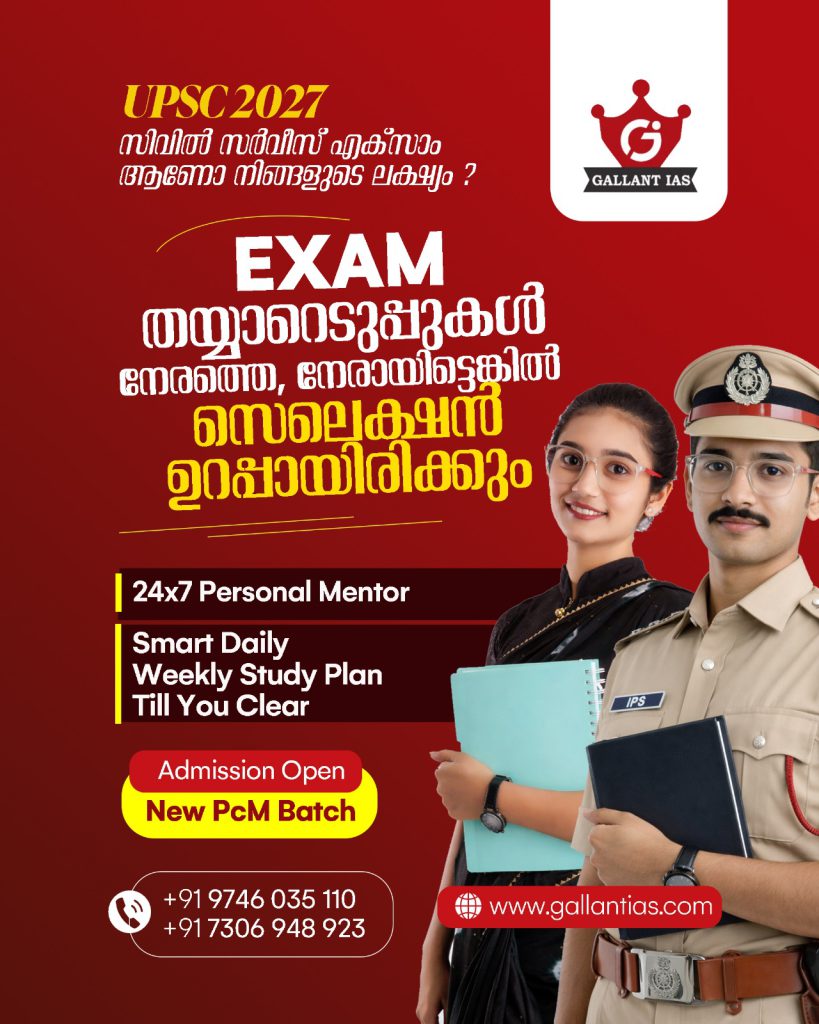
UPSC Prelims Preparation with Time Management Techniques aspirants receive structured guidance, personal mentorship, and a result-oriented learning environment that helps them prepare confidently for the civil services examination.
UPSC Prelims Preparation with Time Management Techniques
The UPSC Preliminary Examination acts as the screening stage for the Civil Services Examination. It consists of two papers designed to test a student’s general awareness, analytical thinking, decision-making ability, and aptitude skills. The Role of Current Affairs in UPSC Preparation The General Studies paper includes subjects such as Indian Polity, History, Geography, Economy, Environment, Science and Technology, and Current Affairs. The CSAT paper evaluates comprehension, logical reasoning, and aptitude.
Understanding the exam pattern is important because it allows students to create a focused preparation strategy. Aspirants who clearly understand the syllabus and question trends are more likely to perform effectively during the examination.
Importance of a Structured Study Plan
One of the biggest reasons many aspirants fail to clear the UPSC Prelims is the absence of a proper study plan. Since the syllabus is extremely vast, random studying often creates confusion and reduces productivity. A structured study schedule helps students cover every subject systematically while maintaining balance between learning and revision.
Common Challenges Faced by UPSC Aspirants A good study plan should focus on daily targets, revision sessions, newspaper reading, current affairs preparation, and practice tests. Instead of studying continuously for long hours without direction, aspirants should concentrate on maintaining productive study sessions with realistic goals. Consistency over time is more important than studying excessively for a few days.
Building Strong Fundamentals for UPSC Preparation
Common Challenges Faced by UPSC Aspirants Strong conceptual understanding is the foundation of successful UPSC preparation. Most aspirants begin their preparation with NCERT textbooks because they explain concepts in a simple and effective manner. Subjects like History, Geography, Political Science, and Economics become easier to understand when students build their basics properly.
Once the fundamentals are clear, aspirants can move toward advanced study materials and reference books. A strong foundation not only improves conceptual clarity but also helps students solve tricky questions in the Prelims examination with better accuracy.
Effective Time Management Techniques for UPSC Aspirants
Time management plays a crucial role in civil services preparation. Since the UPSC syllabus covers multiple subjects and current affairs, students must learn how to divide their time effectively. The Role of Current Affairs in UPSC Preparation Aspirants who fail to manage time often struggle to complete the syllabus or revise important topics before the examination.
Creating a balanced daily timetable can significantly improve productivity. Students should allocate separate time for subject preparation, revision, current affairs, and mock tests. Proper breaks between study sessions are equally important because continuous studying without rest can reduce concentration and mental efficiency.
Avoiding distractions is another important factor in time management. Social media overuse, irregular study habits, and lack of planning can negatively affect preparation. Aspirants should focus on maintaining discipline and consistency throughout their preparation journey.
The Role of Current Affairs in UPSC Preparation
UPSC Prelims Preparation with Time Management Techniques Current affairs preparation is one of the most important aspects of the UPSC examination. Questions in the Prelims examination are often linked with national and international events, government schemes, economic developments, environmental issues, and scientific advancements.
Importance of Mock Tests in UPSC Success Reading newspapers daily helps aspirants stay updated with important events while improving analytical thinking and comprehension skills. Students should also develop the habit of making short notes for quick revision before the examination. Regular revision of current affairs is necessary because information can easily be forgotten without continuous practice.
Connecting current affairs with static subjects like Polity, Geography, and Economy can help students understand topics more effectively and improve answer accuracy.
Importance of Mock Tests in UPSC Success
Mock tests are an essential part of UPSC preparation because they help students understand the actual examination environment. Many aspirants spend months studying theory but fail to practice enough questions under timed conditions. As a result, they struggle with time management and accuracy during the real exam.
Regular mock test practice improves confidence, speed, and question-solving ability. It also helps aspirants identify their strengths and weaknesses. Students can understand which subjects require more attention and which topics need additional revision.
At Gallant IAS Academy, aspirants receive systematic mock test support and detailed performance analysis that helps them continuously improve their preparation strategy.
Smart Revision Strategies for Better Performance
Revision is one of the most important elements of UPSC preparation. Due to the vast syllabus, students may forget topics if they do not revise regularly. UPSC Prelims Preparation with Time Management Techniques Effective revision strengthens memory and improves recall during examinations.
Preparing short notes during study sessions can make revision easier and faster. Many successful aspirants revise the same topics multiple times before the examination to improve retention. Mind maps, flowcharts, and quick summary notes also help students remember complex information more effectively.
Daily practice of multiple-choice questions can further improve analytical thinking and help aspirants understand question patterns more clearly.
Common Challenges Faced by UPSC Aspirants
UPSC preparation is a long journey that often comes with stress, pressure, and self-doubt. Many aspirants lose motivation because of inconsistent study routines, fear of failure, or lack of guidance. Some students become overwhelmed by the vast syllabus and struggle to maintain focus.
Maintaining a positive mindset is extremely important during preparation. Aspirants should understand that setbacks and low mock test scores are part of the learning process. Consistency, patience, and disciplined preparation gradually lead to improvement.
Physical and mental health should also be given importance during preparation. Proper sleep, healthy food, and regular relaxation help students maintain concentration and productivity.
The Importance of Personal Mentorship in UPSC Preparation
Personal mentorship can make a significant difference in a student’s UPSC journey. Proper guidance helps aspirants avoid common mistakes and stay focused on their goals. Experienced mentors can provide personalized strategies based on a student’s strengths and weaknesses.
Mentorship also helps students stay motivated during difficult phases of preparation. Importance of Mock Tests in UPSC Success Regular guidance, doubt-clearing sessions, and performance tracking create a supportive learning environment that improves confidence and discipline.
At Gallant IAS Academy, UPSC Prelims Preparation with Time Management Techniques students receive individual attention and structured mentorship that helps them prepare effectively for every stage of the UPSC examination.